
Table of Contents
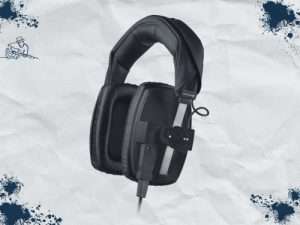
As an audio engineer, I’ve seen my fair share of headphones come and go. But the Beyerdynamic DT 100 Studio Headset? They’re like the trusty old Land Rover of the audio world.
I’ve been using these headphones for years in my studio. They’re not flashy, but they get the job done. The build quality is excellent. I’ve accidentally dropped them, stepped on them, and they still work like a charm.
The sound isolation is great—perfect for recording vocals or instruments in a noisy environment. The 400 Ohm version I’ve got needs a bit more power to drive, but it’s worth it for the clean sound.
One thing to note: these aren’t for casual listening. They’re not the most comfortable for long sessions, and they won’t win any beauty contests. But for tracking and monitoring? They’re brilliant.
The detachable cable is a nice touch. If it gets damaged, you can easily replace it without buying a new set.
Bottom line
If you’re setting up a home studio and need reliable, durable headphones, the DT 100 is a solid choice.
While they’re not the prettiest, these headphones are workhorses and my go-to for tracking vocals for years.
 Beyerdynamic DT 100 Headphones
The Beyerdynamic DT 100 Studio Headset features excellent durability, sound isolation, and clear audio reproduction, making it ideal for tracking vocals and instruments in studio environments. With a 400 Ohm impedance, it requires adequate power to drive, while its detachable cable and comfortable ear pads enhance practicality for long sessions.
- Exceptional passive noise reduction for tracking in noisy environments
- Every component is user-replaceable for decades of service
- Midrange focus works well for speech and vocal monitoring
- Virtually indestructible build quality
- Heavy at 350g with industrial aesthetics
- Proprietary square connector is unusual
- Better for tracking than recreational listening
- 400 ohm impedance requires headphone amplifier
Key Features
I’ve seen gear come and go, but the DT 100 is a true survivor. It’s like the tank of headphones. These cans can take a beating and keep on ticking.
The sound is clear and balanced. No booming bass here. It’s all about accuracy. Perfect for vocalists who need to hear themselves without distortion.
Comfort-wise, they’re not bad. The ear pads are soft and cover your ears fully. I’ve worn them for long sessions without much fuss.
The look is old-school, no doubt. But in a home recording environment, function trumps fashion. These headphones deliver where it counts.
Just make sure your audio interface can drive the 400 Ohm impedance—you might need a headphone amp for the best results.
One downside is the weight. They can feel a bit heavy during long sessions, but the isolation makes up for it.
Sound isolation
The DT 100s shine when it comes to blocking out distractions, allowing singers to hear themselves clearly even with loud backing tracks.
I’ve used them in noisy studios and bustling environments—they cocoon my ears, letting me focus on the music.
The thick ear pads create a tight seal, keeping outside noise at bay and preventing sound leakage, which is crucial for vocal tracking.
I find the isolation helps me catch subtle details in mixes. It’s easier to spot issues like low-level hiss or unwanted reverb tails.
For home recording, these headphones are brilliant—they let you work without disturbing others, perfect for late-night songwriting sessions.
Durability
I’ve put these cans through their paces. They’re built like tanks. The DT 100s can take a beating in the studio. I’ve seen vocalists drop them, step on them, and they still work.
The design is old-school, reminiscent of gear from the 1970s—functional, not flashy.
The ear pads are soft and comfortable for long sessions, and the detachable cable is a great feature—if it gets damaged, you can easily swap it out.
Customisable comfort with detachable cable
The DT 100s come with a detachable cable, which is a godsend in the studio. If the cable gets snagged or worn, you can easily swap it out without binning the whole headset.
The ear pads are soft and comfy, and they sit nicely over my ears even during long recording sessions.
One thing to note: the pads are made of leather. Great for sound isolation, but they can get a bit warm after a while. I keep a spare set of velour pads handy for those steamy summer sessions.
The headband is adjustable too. It fits snugly on my noggin, and I can fine-tune it for the perfect fit. All in all, these cans are built for comfort and practicality.
Authentic audio reproduction where it counts
I’ve been using the DT 100s in my home studio for years. They’re tough as nails and deliver clear, accurate sound. The mids and highs shine through beautifully. I can hear all the details in my vocal tracks and guitar parts.
These headphones don’t hype up the bass. That’s a good thing for mixing. You’ll hear things as they really are. But, the downside is the lack of deep bass. If you’re after thumping low-end, look elsewhere. But for critical listening and tracking vocals, these are brilliant.
Are the DT 100s worth it?
The DT 100s have earned their spot in studios for a reason. I’ve used them for years, and they still impress me. The clear mids and highs are perfect for picking out details in a mix, though they’re not for everyone.
Durable build—built like a tank: Nearly indestructible, perfect for rugged use.
Great for revealing mids and highs in mixes: Ideal for tracking vocals and instruments with clarity.
Clear, balanced sound: Crystal clear mids and highs help detect sibilance and harshness in recordings.
Good isolation: Blocks out external noise effectively, providing a focused listening experience.
Detachable cable: Easy to replace, adding convenience and extending the lifespan of the equipment.
Replaceable parts: Facilitates easy repairs and maintenance.
Comfortable for long wear: Soft ear pads ensure comfort during extended use.
Lacks deep bass response: Not suitable if you need to focus on low-end frequencies.
Can feel heavy during long sessions: May lead to discomfort over time.
Not stylish or ideal for casual listening: Designed more for professional use rather than fashion or casual environments.
Cable tangles easily: The cable tends to tangle more than older models, which can be inconvenient.
Needs a good amp to drive the 400 Ohm version: The high impedance requires a capable amplifier for optimal performance.
If you’re after a balanced, honest sound for your home demos, these are a solid choice. Just be prepared to pair them with a decent headphone amp.
They might not have the bass thump of consumer cans, but they’ll help you craft better mixes. For the price, they’re hard to beat as a mixing tool.
Scoring
| Criterion | Score (out of 10) | Weight (%) | Weighted Score |
|---|---|---|---|
| Sound Quality | 8 | 30% | 2.40 |
| Ease of Use | 7 | 20% | 1.40 |
| Features | 8 | 15% | 1.20 |
| Build Quality | 9 | 15% | 1.35 |
| Value for Money | 8 | 10% | 0.80 |
| Compatibility | 7 | 5% | 0.35 |
| Innovation | 6 | 5% | 0.30 |
| Total Score | 100% | 7.8 |
Frequently asked questions
Beyerdynamic offers a two-year warranty on the DT 100s, covering manufacturing defects.
Yes, that’s one of the best things about them. You can replace:
- Ear pads
- Cables
- Headband padding
It’s easy to do and keeps them going for years. I’ve had mine for over a decade, just swapping parts as needed.
The DT 100s are pretty neutral—they don’t boost any frequencies excessively. This means:
- Clear mids for vocals and guitars
- Decent highs for cymbals and hi-hats
- Somewhat lacking in deep bass
They work well for most genres, but if you’re making bass-heavy music, you might want to check your mix on other systems as well.
The DT 100s focus on durability and clarity more than fancy sound. At this price, you can find headphones with:
- More bass response
- Wider soundstage
- Smoother high frequencies
But the DT 100s excel in:
- Ruggedness
- Repairability
- Consistent sound over time

HI KEV,
Ive had a pair of dt100 for 20 years now and theyre the
400 ohm variety but I’ve never managed to get a great sound from them plugged into my interface or samson C- que 8headphone amp. Would an ohm converter help in this situation or what spec of headphone amp would suit them?
I’d be grateful if you could help me on this,
Thanks.
Frankie
Hi Frankie,
I’m so sorry for the delayed reply, I didn’t get a notification so am investigating the gremlins at work 🙂
Thanks for your question. Honestly, I wouldn’t recommend an ohm converter for the DT 100s. These 400-ohm drivers need plenty of clean power, and many basic interfaces or amps simply don’t deliver enough voltage. If you still like the DT 100’s sound signature and want to keep them, the best solution is a dedicated headphone amp designed for higher impedances—look for something that specifies good performance up to 600 ohms. That ensures you’ve got enough headroom for proper volume and clarity.
Alternatively, if you’re open to modifying your DT 100s, Beyerdynamic make different driver modules (for example, the 16-ohm versions), but that can be fiddly and cost almost as much as a new set of headphones. In most cases, picking up a well-reviewed headphone amp rated for 250–600 ohms is the more straightforward (and cheaper) option. Then you’ll know you’re driving those 400-ohm drivers properly, which should bring out the best in them. If you still don’t like the sound, at least you’ll be certain it’s not a power issue!
Do you have an option to test this out in your local music store?
All the best,
Kev