

Table of Contents
Ever dreamed of pro-level audio but thought it was out of reach? Think again! Your home is a treasure trove of secret acoustic weapons waiting to be unleashed.
Say goodbye to dull recordings and hello to a sound that rivals the pros. Your ears (and your wallet) will thank you!

1. Thick blankets and duvets
Is that old duvet collecting dust in your closet? It’s your new best friend for taming room reflections. Thick blankets and duvets have an extraordinary ability to absorb sound, making them perfect for creating a controlled recording environment. Hang one on the wall behind your monitors or drape it over a clothes rack to create an instant vocal booth.
The thicker, the better – those fluffy layers are like acoustic gold. Pro tip: layer multiple blankets for even more sound-absorbing power.
Your recordings will suddenly have that intimate, professional vibe you’ve been chasing. Who knew bedding could sound so good? Whether you’re belting out the next chart-topping single or just practising, your vocals will be smoother and clearer than ever.
2. Heavy curtains
Those thick curtains gathering dust? They’re acoustic treatment gold! Hang them on walls or suspend them from the ceiling to create a makeshift vocal booth.
The denser the fabric, the better it’ll absorb sound, helping you achieve that rich, full vocal sound. Velvet curtains are especially effective, trapping sound waves and preventing them from bouncing around your space.
Bonus: they double as light control for those moody recording sessions when you want to create the perfect ambience. Your vocals will thank you for the dry, intimate sound these bad boys provide.
3. Carpets and rugs
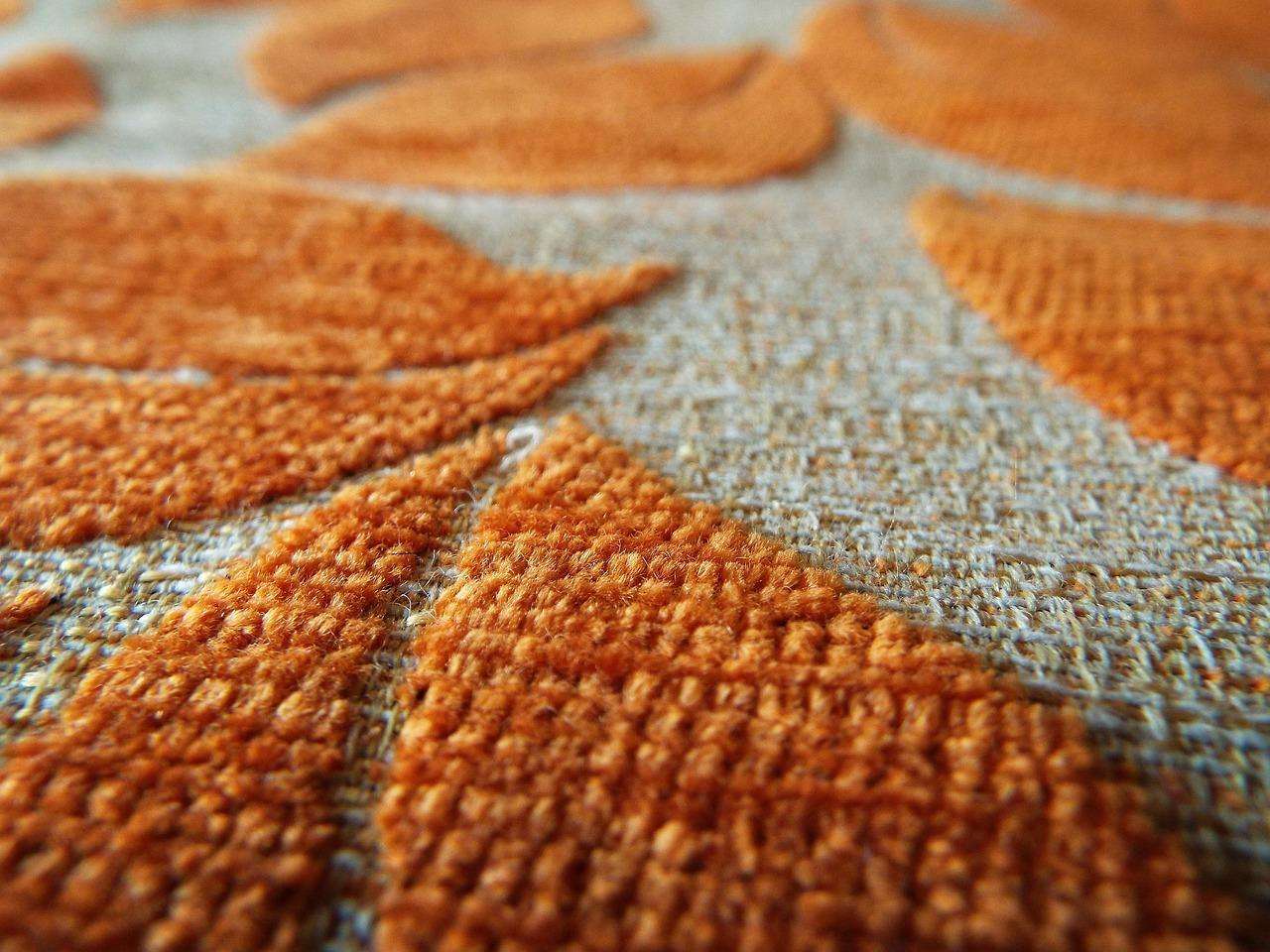
That area rug you’ve been eyeing? It’s not just decor – it’s a sound-absorption powerhouse!
Carpets and rugs work wonders in taming floor reflections, especially helpful in rooms with hard surfaces.
Lay them down strategically to control bass build-up in corners, which can lead to muddy sounds. Thick, shaggy rugs work best, but even thin ones can help.
Pro move: hang a rug on the wall for extra absorption where you need it most. Your room will instantly feel cosier and sound way more controlled.
Plus, who doesn’t love a warm, inviting space to create? So, dig out that rug you love and let it help you achieve the sound you crave.
4. Bookshelves filled with books
Bookworms, rejoice! Your library isn’t just for show – it’s a secret acoustic weapon. A filled bookshelf can work wonders in your studio setup.
Place it strategically in your room, and the varying shapes and sizes of books create an uneven surface that diffuses sound beautifully. Not only that, but all that paper absorbs a ton of high frequencies.
The result? A more balanced, less “boxy” sound in your space. Plus, having books around can provide instant inspiration when writer’s block hits.
Your mix (and your brain) will thank you for this clever use of furniture. So, don’t underestimate the power of your literary collection when it comes to sound treatment!
5. Mattress pads

That spare mattress pad in the linen closet? It’s your new go-to for portable acoustic treatment!
Mattress pads are often made from materials designed to absorb sound, making them perfect for taming reflections. Hang one on a wall for instant absorption, or drape one over a clothing rack to create a quick vocal booth.
Pro tip: layer multiple pads for even more sound-deadening power. Your recordings will suddenly have that pro-studio intimacy, all thanks to bedding. Don’t sleep on that!
6. Towels and bath mats
Raid your linen closet for instant acoustic treatment! Thick, fluffy towels are surprisingly effective at absorbing high frequencies. Hang them on walls or drape them over surfaces for quick reflection control.
Bath mats, with their rubber backing, are perfect for taming vibrations on hard surfaces, which can create unwanted noise during recordings.
7. Pillows and cushions

Are those decorative pillows collecting dust? They’re secret weapons for spot-treating problem areas in your mix space.
Stuff them into corners to help control bass build-up, or create makeshift bass traps. The soft, porous material is great for absorbing a wide range of frequencies.
Bonus: they make great impromptu seating for collaborators! Your mix will tighten up, and your studio will feel way cosier. Win-win! Who would have thought that your living room decor could play such a significant role in your sound quality?
8. Fabric-covered panels
Time to get crafty! Grab some cheap wooden frames, stuff them with insulation or foam, and wrap them in fabric for instant, professional-looking acoustic panels.
The best part? You can customise the size, shape, and fabric to match your decor.
Hang them strategically to tame problem reflections and add a pop of colour to your space.
9. Wall hangings and tapestries
That bohemian tapestry you impulse-bought? It’s not just for looks – it’s a secret sound absorber!
Hang tapestries, quilts, or even flags on your walls for instant acoustic improvement. The loose, fabric surface helps break up reflections and absorb high frequencies.
Plus, they add tons of personality to your space. Pro tip: layer multiple hangings for even more acoustic benefit. Your ears and your Instagram followers will thank you!
With a little creativity, your wall decor can double as an effective sound treatment solution.
10. Furniture arrangement

The ultimate free hack: strategic furniture placement! Bookshelves and couches, can all help diffuse and absorb sound when placed thoughtfully.
Avoid parallel surfaces by angling furniture slightly. Use larger pieces to break up problem reflection points.
Even something as simple as a well-placed armchair can make a noticeable difference in your room’s sound. Bonus: rearranging is a great way to refresh your creative space and spark new ideas!
Transform your sound, transform your music
There you have it – 10 everyday items that can revolutionise your home studio sound! The best part? Most of these hacks cost little to nothing. It’s all about getting creative with what you already have.
Remember, perfect acoustics aren’t about spending a fortune. It’s about understanding your space and using what’s available. Even small changes can make a massive difference in your recordings and mixes.
